

Does Getting a Dental Crown Hurt? What New Castle County Patients Should Expect
October 8, 2026If you have been told you need a crown, discomfort may be one of your first concerns. In most cases, dentists place crowns after numbing the tooth and surrounding tissues so that you may feel pressure or vibration without sharp pain.
For patients considering dental crowns in New Castle County, DE, knowing what to expect can make the experience feel more predictable. Mild tenderness or sensitivity may occur afterward, but pain that worsens or doesn't improve should be checked.
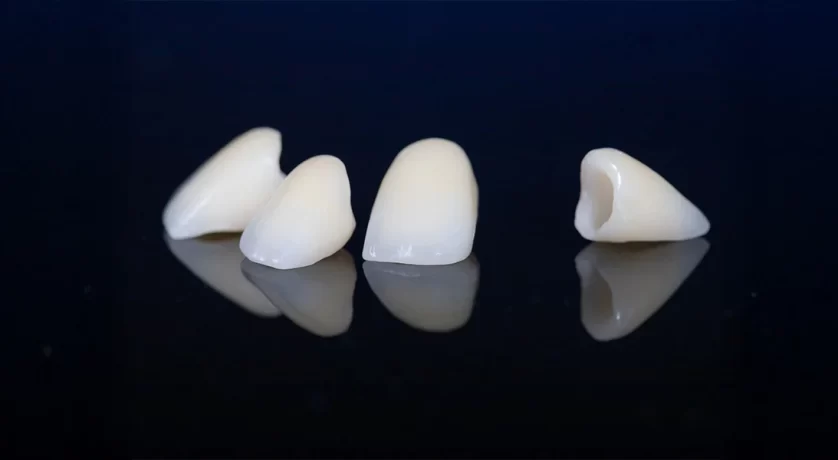
Does Dental Crown Placement Hurt?
Before preparing the tooth, the dentist may use local anesthesia for dental crowns to numb the treatment area. This helps reduce discomfort during crown preparation.
You may still notice movement, pressure, or the sound of dental instruments. These sensations can feel unusual, but they are different from pain. If you feel anything sharp, tell the dentist so they can reassess the numbness before treatment continues.
The amount of dental crown anesthesia needed varies. The tooth’s condition, the planned procedure, and your response to anesthesia can all affect how the appointment is managed.
What Happens During the Dental Crown Procedure?
Understanding the basic steps of a dental crown procedure can help you know what to expect.
Examining and Preparing the Tooth
The dentist checks the tooth, gums, and bite before shaping the tooth for the crown. During tooth preparation for crown treatment, the dentist removes damaged areas and prepares the remaining structure to support the restoration.
Taking Digital Impressions
An intraoral scanner captures detailed images of the prepared tooth and nearby teeth. These digital dental crown impressions help plan the final restoration and may reduce the need for traditional molds.
Placing the Crown
The dentist checks the permanent dental crown to ensure it fits well and doesn’t affect your bite. The dentist may make minor adjustments before cementing it.
What Should You Expect After Crown Placement?
Once the numbness wears off, the treated tooth may feel slightly different for a short period.
Some sensitivity after dental crown treatment may occur with cold drinks, pressure, or chewing. The gum next to the restoration may also feel tender because the surrounding tissue has been handled during treatment.
Mild gum soreness after crown placement is different from severe or worsening pain. During early dental crown recovery, continue brushing carefully and clean between your teeth as instructed.
Let the numbness go away before you chew. Waiting until normal sensation returns reduces the chance of accidentally biting your cheek, lip, or tongue.
When Should Pain After a Dental Crown Be Checked?
A little tenderness after treatment does not always mean something is wrong. However, you should evaluate pain after dental crown treatment if it worsens or interferes with normal chewing.
Contact your dentist if:
- The restored tooth feels higher than nearby teeth.
- Biting repeatedly causes pain.
- The crown feels loose or shifts.
- Temperature sensitivity becomes stronger.
- You develop swelling, drainage, fever, or an unusual taste.
- Symptoms improve and then return with greater intensity.
Persistent dental crown pain may stem from excessive bite pressure, irritation within the tooth, or another condition that needs examination. Symptoms alone cannot confirm the cause.
What About Same-Day and CEREC Dental Crowns?
Patients researching crown treatment may come across same-day dental crowns and CEREC dental crowns.
Some dental practices use CAD/CAM systems to design and manufacture selected ceramic restorations in-office. This may allow certain crowns to be completed during one visit.
Digital scanning and same-day fabrication are separate technologies. An intraoral scanner does not automatically mean a practice produces crowns on-site. Patients should ask how their restoration will be made and how many appointments it will take.
Considering Dental Crowns in New Castle County
If you are considering dental crowns in New Castle County, DE, the first step is an examination of the affected tooth.
People searching for dental crowns near me may assume every damaged or sensitive tooth needs the same treatment. In reality, the dentist must look at the remaining tooth structure, gum health, bite, symptoms, and previous dental work before recommending a crown.
A crown may help when a tooth needs more support than a filling can reasonably provide, but it isn’t the right choice for every damaged tooth.
What Can Make Crown Treatment More Comfortable?
Good dental crown pain management begins with effective numbing and continues with careful preparation, accurate impressions, and attention to the final bite.
If you feel nervous about the procedure, mention it before treatment starts. Knowing what you may hear or feel during the appointment can make the experience less uncertain.
At Great Whites Dental – Wilmington, Dr. David E. Mastrota assesses the tooth, nearby tissues, and bite before recommending restorative treatment. If you have a weakened, damaged, or previously treated tooth, an examination can help determine whether a crown or another option is appropriate.
Frequently Asked Questions
Mild tooth sensitivity after crown placement may occur for a short time. If it becomes stronger, lasts longer than expected, or affects eating, contact your dentist.
The restored tooth may be receiving too much pressure when your teeth come together. Other causes are possible, so repeated discomfort should be examined.
It depends on the tooth’s sensitivity and what needs to be done during the visit. Your dentist will decide whether additional numbing is appropriate.
Avoid chewing until the numbness is gone. If you have a temporary restoration, follow your dentist’s advice about what to eat.
Contact the office if you develop worsening pain, swelling, significant bite discomfort, a loose restoration, or symptoms that don’t improve.