

Dental Implants: The Most Permanent Solution for Missing Teeth
July 1, 2026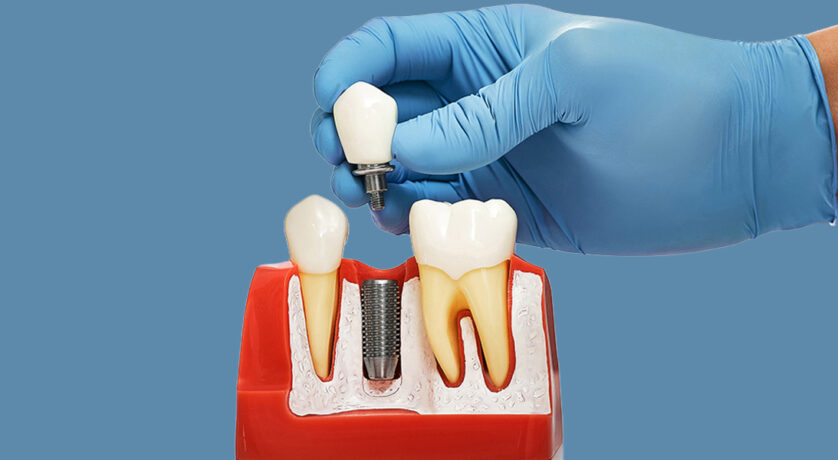
What Makes Dental Implants a Long-Term Solution
Among today’s tooth replacement options, dental implants restore the visible tooth as well as the root anchored in the jawbone.
Most implants use titanium because it is strong, durable, and able to bond naturally with the jawbone during healing. After placement, it gradually bonds with the jawbone through a natural healing process called osseointegration. Once healing is complete, the implant provides a secure base for a custom crown that feels and functions like a natural tooth.
For many adults, permanent dental implants can provide:
- Stable chewing ability
- Natural-looking aesthetics
- Improved speech
- Helps support the surrounding jawbone
- Better long-term comfort than many removable alternatives
No dental treatment lasts forever for everyone, but well-maintained implants have demonstrated high long-term success rates in appropriately selected patients.
How Missing Teeth Affect Oral Health
Replacing a missing tooth is about more than appearance.
When a tooth is lost, the jawbone in that area no longer receives normal chewing stimulation. Over time, this may contribute to bone changes that affect facial support. Neighboring teeth can also drift, altering bite alignment and increasing stress during chewing.
This is one reason many patients seeking missing tooth replacement in Wilmington, DE, ask whether implants are appropriate for their situation.
Understanding the Implant Placement Process
Every patient begins with a comprehensive dental evaluation.
Depending on bone volume and overall oral health, treatment may include several stages:
- Complete examination and treatment planning
- Evaluation of periodontal health and jawbone support
- Bone grafting when additional bone is needed for implant preparation
- Implant placement procedure
- Healing period while the implant integrates with the jawbone
- Placement of the custom crown or final restoration
Some patients require only a single implant, while others may benefit from single vs. multiple tooth implants, depending on how many teeth are missing and where they are located.
When Bone Grafting May Be Recommended
Not everyone has enough healthy bone to support an implant immediately.
Some people lose enough jawbone after losing a tooth or developing gum disease that additional bone support is needed before implant treatment can begin. Your dentist determines whether this additional step is appropriate after clinical examination and imaging.
Bone grafting does not automatically mean someone is unsuitable for implants. Instead, it may improve the long-term stability of treatment in selected cases.
Clinical Factors That Influence Implant Success
Successful implant therapy depends on more than the surgical procedure itself.
Several clinical considerations play an important role:
- Healthy periodontal tissues before treatment
- Appropriate occlusal force distribution during biting
- Careful prosthodontic rehabilitation for proper function
- Soft tissue healing around implants
- Individual oral surgery considerations
- Consistent home care and professional maintenance
Current research continues to show that good oral hygiene and regular dental visits remain among the strongest predictors of implant longevity.
The American Dental Association recognizes dental implants as a reliable option for replacing missing teeth when patients are in good oral health and commit to regular dental care.
Caring for Dental Implants After Treatment
If you search for “affordable dental implants near me,” you should know that these artificial tooth roots do not develop cavities, but the surrounding tissues still require daily care.
Good post-implant maintenance includes:
- Brushing twice daily
- Cleaning around implants using floss or other recommended aids
- Keeping regular professional cleanings
- Managing gum inflammation early
- Avoiding tobacco products when possible
- Following your dentist’s maintenance schedule
These habits help protect both the implant and the surrounding tissues for years to come.
Are Dental Implants Right for Everyone?
Although implants help many adults restore missing teeth with implants, they are not automatically appropriate for every situation.
Factors that influence candidacy include:
- Overall oral health
- Bone quality
- Gum condition
- Medical history
- Personal treatment goals
Your dentist can explain whether implants or alternative restorative options better fit your individual needs.
Expert Insight
Dentists often recommend replacing missing teeth sooner rather than later because doing so helps preserve bite balance and reduces unnecessary pressure on neighboring teeth. Careful treatment planning, healthy gums, and consistent follow-up care are equally important to achieving predictable long-term results.
Key Takeaways
- Unlike many other replacement options, dental implants restore both the visible tooth and the root that anchors it in the jawbone.
- Healthy gums and sufficient bone improve treatment outcomes.
- If the jawbone needs additional support, your dentist may recommend bone grafting before moving forward with implant treatment.
- Long-term maintenance is essential for implant success.
- Professional evaluation determines the most appropriate treatment plan for each patient.
Final Thoughts
If you’re considering dental implants in Wilmington, DE, understanding the treatment process is the first step toward making an informed decision. Because every smile is different, an individualized evaluation helps determine the most suitable restorative approach. At Great Whites Dental, patients receive individualized care, clear guidance about their treatment options, and support for maintaining long-term oral health.
Frequently Asked Questions
Dental implants can provide long-lasting results when they are cared for properly through daily oral hygiene and regular professional maintenance. Longevity varies with overall health, bite force, and maintenance.
Most patients report manageable discomfort after the procedure. Your dentist will discuss pain management and post-operative instructions before treatment.
Yes. Depending on your situation, a single implant may replace one tooth, while multiple implants may support larger restorations.
Healing varies by individual. Bone integration commonly requires several months before the final restoration is placed.
The overall cost varies from person to person, depending on the complexity of treatment and whether procedures like bone grafting are recommended. A comprehensive examination provides the most accurate estimate.