
How Dental Crowns Restore Function and Confidence in Your Smile
June 1, 2026A damaged tooth can affect much more than appearance. It may make chewing uncomfortable, change the way your teeth fit together, and leave you hesitant to smile. For many people considering dental crowns in Wilmington, this treatment can strengthen a damaged tooth while helping it look and feel natural again.
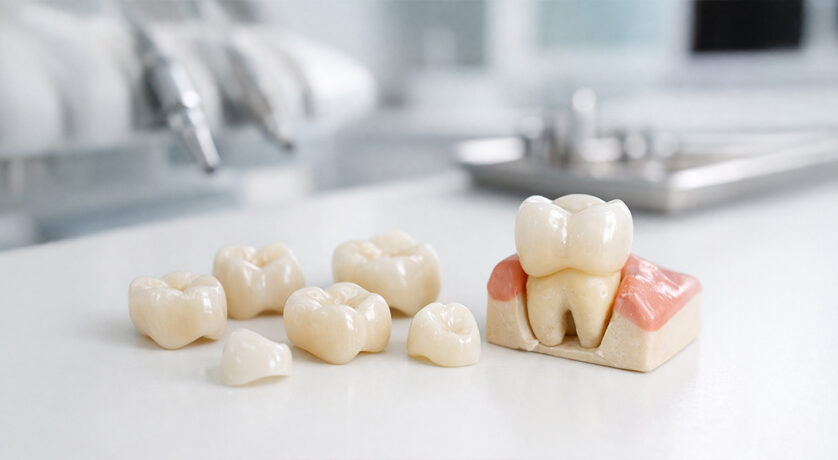
Dental crowns are custom-made restorations designed to cover and protect a weakened tooth. They help restore everyday function, preserve remaining tooth structure, and support long-term oral health. When properly planned and maintained, crowns can improve both comfort and confidence while helping protect teeth from further damage. According to the American Dental Association (ADA), crowns are commonly used to restore teeth that are fractured, heavily restored, or weakened after treatment.
What Is a Dental Crown?
Designed to fit securely over a compromised tooth, a dental crown helps restore durability, function, and a natural-looking appearance. It acts like a protective cover that strengthens the tooth while restoring its shape, function, and appearance.
Crowns may be recommended when:
- A tooth has extensive decay
- A crack or fracture threatens stability
- A large filling no longer provides enough support
- A root canal-treated tooth requires reinforcement
- Significant wear has affected how the tooth functions
By supporting tooth structure rehabilitation, crowns help preserve natural teeth whenever possible.
How Crowns Help Restore Function
Many people think crowns are primarily cosmetic. While they can improve appearance, their main purpose is functional restoration.
Protecting Weakened Teeth
When enamel and dentin are compromised, the tooth becomes more vulnerable to fracture. A crown surrounds the remaining structure and provides additional support, helping protect the enamel and dentin and reducing the risk of future damage.
Improving Chewing Ability
A damaged tooth can make eating difficult. A properly designed crown restores the tooth’s shape and strength, allowing patients to chew more comfortably and efficiently.
Supporting Bite Stability
An uneven bite may place excessive force on certain teeth. Through careful planning and occlusal adjustment for crowns, dentists can improve bite and occlusion stabilization, helping distribute chewing forces more evenly.
The Tooth Crown Procedure: What to Expect
Understanding the tooth crown procedure can help patients feel more comfortable before treatment.
- Examination and Treatment Planning
The dentist evaluates the affected tooth, surrounding structures, and overall oral health. X-rays may be used to assess underlying conditions and determine whether a crown is the most appropriate restoration.
- Crown Preparation and Fitting
During crown preparation and fitting, the tooth is carefully reshaped to create space for the restoration. Digital scans or detailed impressions are used to create a crown that fits comfortably and functions properly.
- Temporary vs Permanent Crowns
During the time it takes to create the custom crown, a temporary restoration helps keep the tooth protected and functional.
Understanding temporary vs permanent crowns is important:
- Temporary crowns provide short-term protection.
- The final crown is designed to provide long-lasting strength, protection, and everyday function.
- Full Coverage Crown Placement
Once the final restoration is ready, the full-coverage crown is placed. The crown is checked for fit, appearance, and bite alignment before being secured.
- Crown Cementation Protocols
Modern crown cementation protocols focus on creating a strong bond between the crown and tooth. Proper cementation contributes to long-term stability and performance.
Can a Crown Save a Broken Tooth?
In many situations, a crown for broken tooth treatment can help preserve a tooth that might otherwise continue to weaken.
Whether a crown is the right solution depends on several factors, including:
- Location and extent of the fracture
- Remaining healthy tooth structure
- Gum and bone support
- Overall oral health
A clinical evaluation is necessary to determine whether a crown is the best option.
Materials Used for Modern Crowns
Several material options are available for dental crowns, each suited to different functional and aesthetic goals.
Common options include:
- All-ceramic restorations
- Porcelain-based restorations
- Metal-supported crowns
- Gold alloys in select cases
Many patients searching for “porcelain crowns near me” prefer tooth-colored materials because they blend naturally with surrounding teeth while providing durability. Great Whites Dental notes that crowns may be fabricated from materials such as all-porcelain, semiprecious metal, or gold, depending on clinical needs.
Advances in Dental Restoration
Modern tooth restoration techniques continue to improve treatment precision and patient comfort.
Digital imaging and computer-guided design systems may assist with:
- Improved fit accuracy
- Enhanced bite evaluation
- Efficient restoration design
- Better aesthetic outcomes
Some dental practices also offer same-day dental crowns in Wilmington, using CAD/CAM technology to create restorations in a single visit. However, treatment recommendations vary based on individual clinical circumstances.
What Happens After Crown Placement?
Successful outcomes depend on both professional care and patient maintenance.
Post-Crown Maintenance Tips
Proper post-crown maintenance helps maximize restoration longevity.
Follow these recommendations:
- Brush twice daily using fluoride toothpaste.
- Clean between teeth with floss or interdental aids.
- Attend routine dental examinations.
- Avoid using teeth to open packages.
- Discuss teeth grinding with your dentist if applicable.
Maintaining good oral hygiene also supports periodontal health after crown placement, which is important for long-term stability.
Expert Insight: Why Timing Matters
Dentists often emphasize early intervention when a tooth shows signs of significant damage.
Waiting too long can allow cracks to spread or decay to progress. In some situations, a restoration that could have been managed with a crown may later require more extensive treatment.
Addressing concerns promptly often leads to better restorative dental treatment outcomes and helps preserve natural tooth structure whenever possible.
Key Benefits of Dental Crowns
Patients often experience several advantages after treatment:
- Improved chewing function
- Enhanced smile appearance
- Greater tooth protection
- Better bite balance
- Increased confidence during speaking and eating
When properly planned and maintained, crowns are an effective dental restoration in Wilmington for preserving damaged teeth.
Final Thoughts
Dental crowns protectweakened teeth, restoring comfortable function, and supporting a healthy smile. From strengthening a weakened tooth to improving the appearance of your smile, a crown can offer lasting value when properly cared for over time.
For individuals exploring dental Crowns in Wilmington, the team at Great Whites Dental provides restorative services focused on preserving oral health, restoring function, and helping patients maintain confident smiles.
Frequently Asked Questions
Many crowns can last 10 years or longer with proper oral hygiene, routine dental care, and healthy habits. Longevity varies with material, bite force, and maintenance.
Local anesthesia is typically used during preparation. The procedure is generally well tolerated, with many patients experiencing only minor sensitivity following treatment.
Yes. Modern ceramic and porcelain restorations are designed to match the color, shape, and appearance of surrounding teeth.
In many cases, yes. Teeth treated with root canal therapy often benefit from crown coverage because they may become more susceptible to fracture.
Brush regularly, floss daily, attend routine dental visits, and avoid habits that place excessive pressure on teeth.